
Barry Charles Johnson: The Audacity of Abstraction
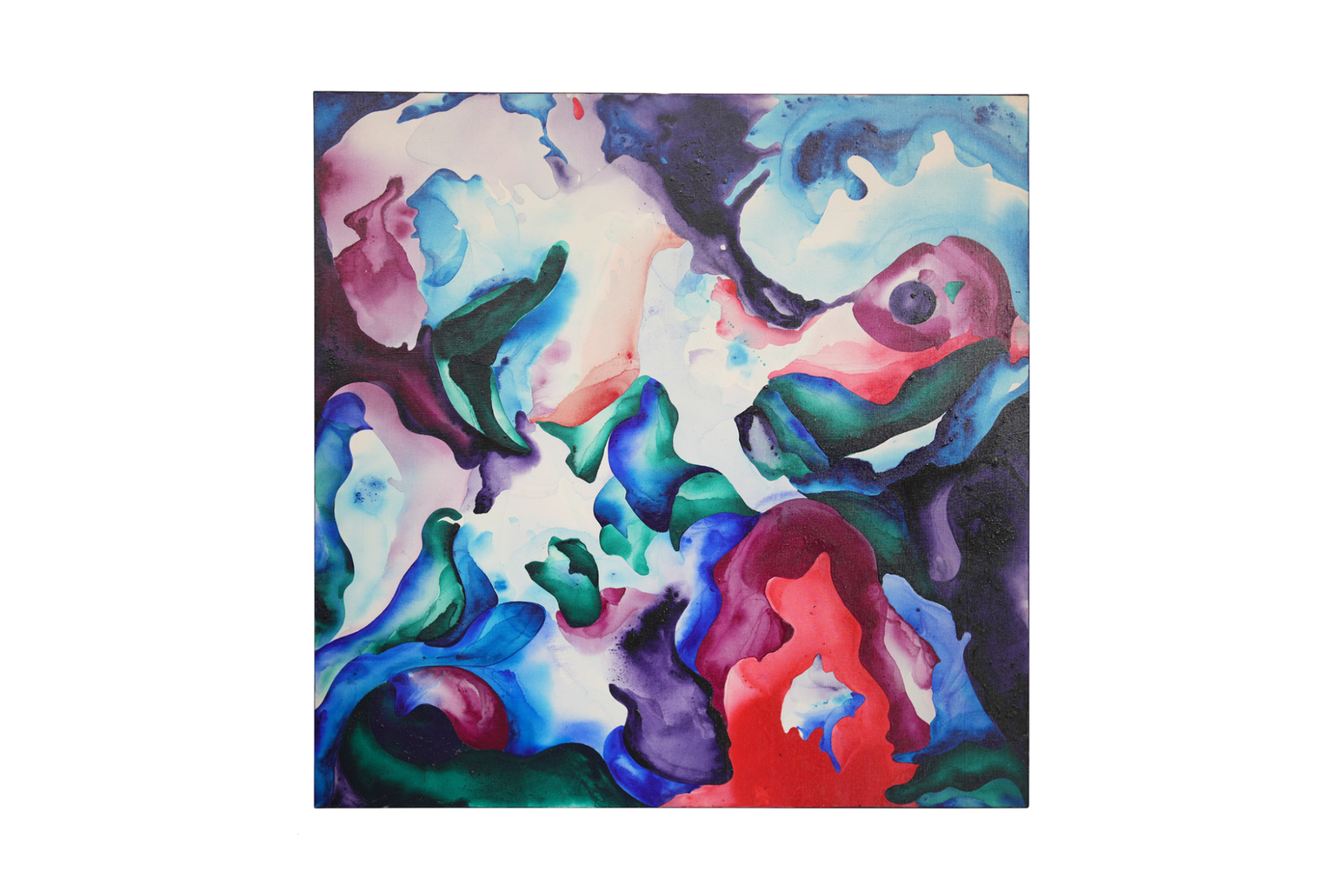
Barry Charles Johnson, Vista Series #19, 1989. Acrylic on canvas; 42 x 43 inches.
A Top To Do This Holiday Season —The Root
Long Gallery Harlem is pleased to present The Audacity of Abstraction, a solo exhibition of works by the late artist, Barry Charles Johnson (1948 – 2025). Johnson, a native New Yorker and multidisciplinary artist, focused primarily on abstract painting. As the exhibition title suggests, Johnson and many of his peers made the bold and daring choice to depart from traditional figurative expression, meaning, and subject matter and instead focused on self expression, process, and raw feeling. Jazz music, fashion, and Johnson’s international travels inspired his large body of abstract work — as noted in the scale, palette, and composition of the work. Johnson attended the High School of Art and Design and later Brooklyn College where he studied painting. In 1969, Johnson appeared alongside several artists in the landmark exhibition Harlem Artists ‘69, at the Studio Museum in Harlem.
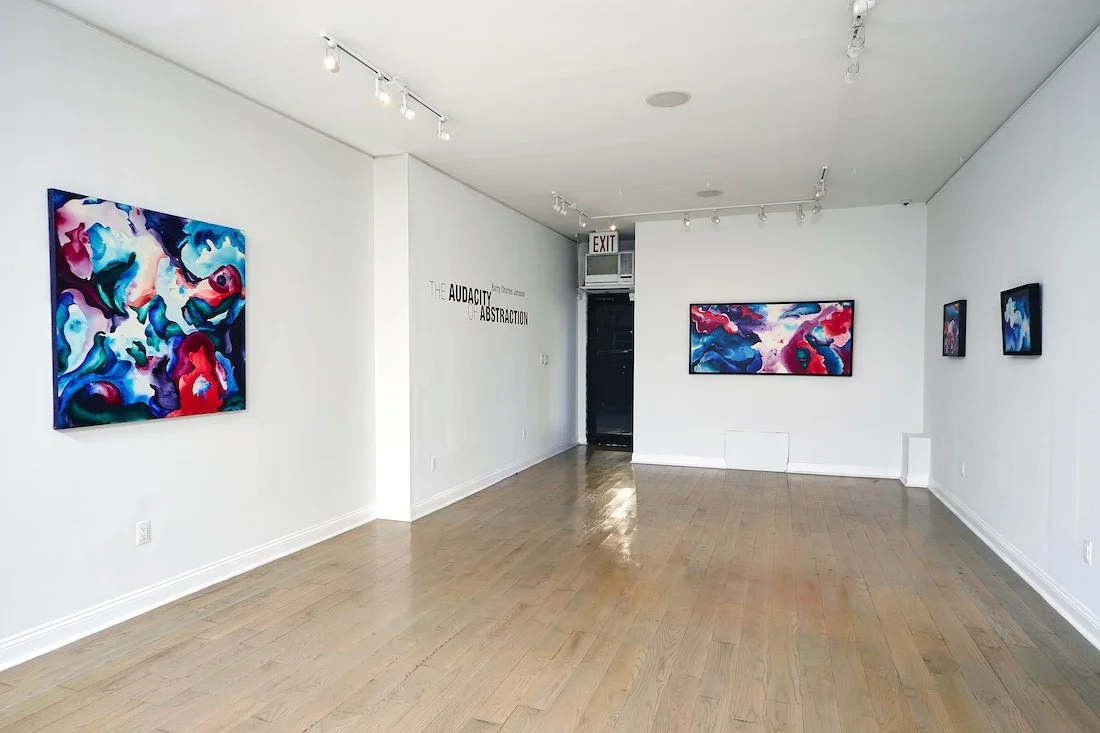
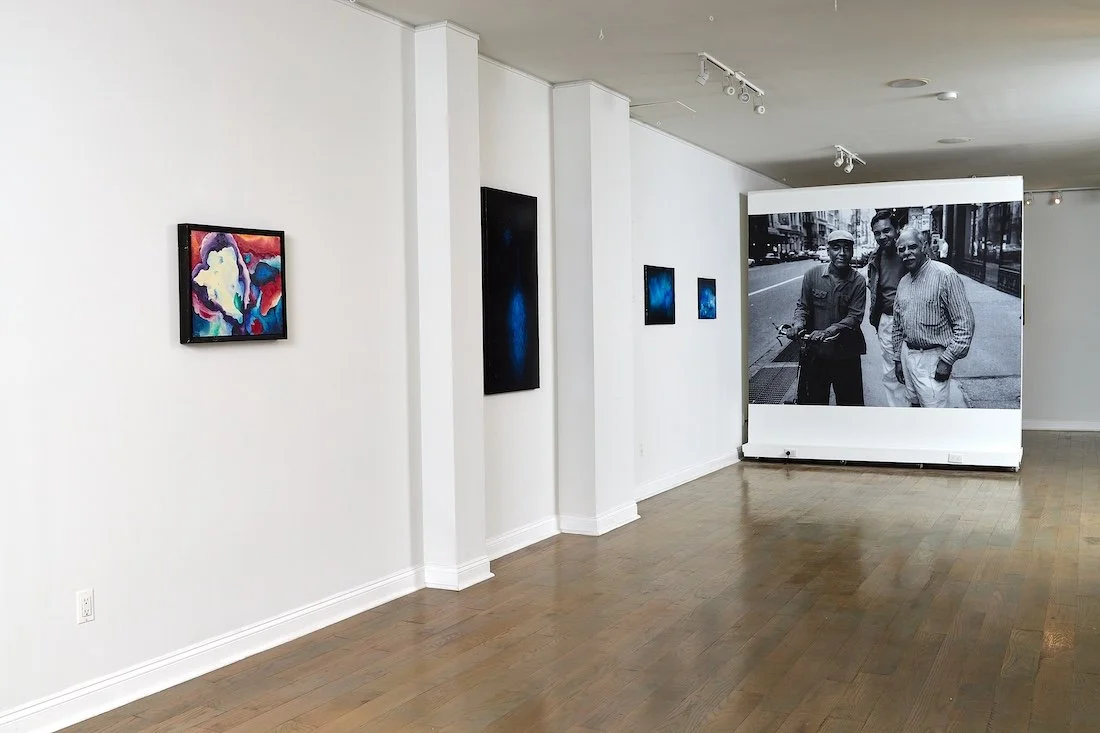
The Audacity of Abstraction is curated by LA based gallerist, curator, and writer, Dominique Clayton whose practice focuses on intergenerational relationships, legacy, and the unique intersections of Black art, film, and music. The exhibition includes 17 works made between 1998 and 2002 — and, while Johnson has now become an ancestor, his spirit and his art have returned home to Harlem.
The exhibition will be on view from November 5, 2025 – January 18, 2026 at Long Gallery Harlem, with an opening reception on November 9 from 2 – 5pm.
For more information, please email info@long.gallery.
3D Virtual Walkthrough
Exhibition Brochure
Artist Bio
Barry Charles Johnson (1948 – 2025) was a multidisciplinary artist born and raised in Harlem, New York. After attending the High School of Art and Design (1963 - 66), Johnson later enrolled in Brooklyn College where he studied painting from artists John D’Arcangelo, Phillip Pearlman and Harry Holzman, a founding member of the American Abstract Artists group. Johnnson also studied sculpture under Lee Bonticue. In 1969, Johnson appeared alongside numerous artists in the exhibition Harlem Artists ‘69, at The Studio Museum in Harlem which included other artists like Joe Overstreet and Carl R. Smith.
Like many men of his generation, Johnson also served in the military, joining the United States Air Force where he worked as a graphic artist. Johnson’s work and passions often took him overseas, further influencing his world view and art practice and also his personal style. As a tall athletic man, Johnson was often the tallest in the room and his work was similarly large, colorful and engaging. While Johnson never married or had children, he was part of a tight knit chosen family of artist friends including Ed Clark, one of the most notable Black abstract painters of his generation. Johnson presented work in group and solo exhibitions in New York and overseas, often hand stretching canvases and building his own artist frames.
Johnson kept a low footprint in his later years as the art market continued to overlook many marginalized artists. However, after his passing in May 2025, Johnson’s art work resurfaced among his belongings and more work was discovered among private collections and family archives Longtime Harlem based art dealer, advisor and collector, Lewis Long discovered this work and now manages the estate on behalf of the Johnson family.
Curator Bio
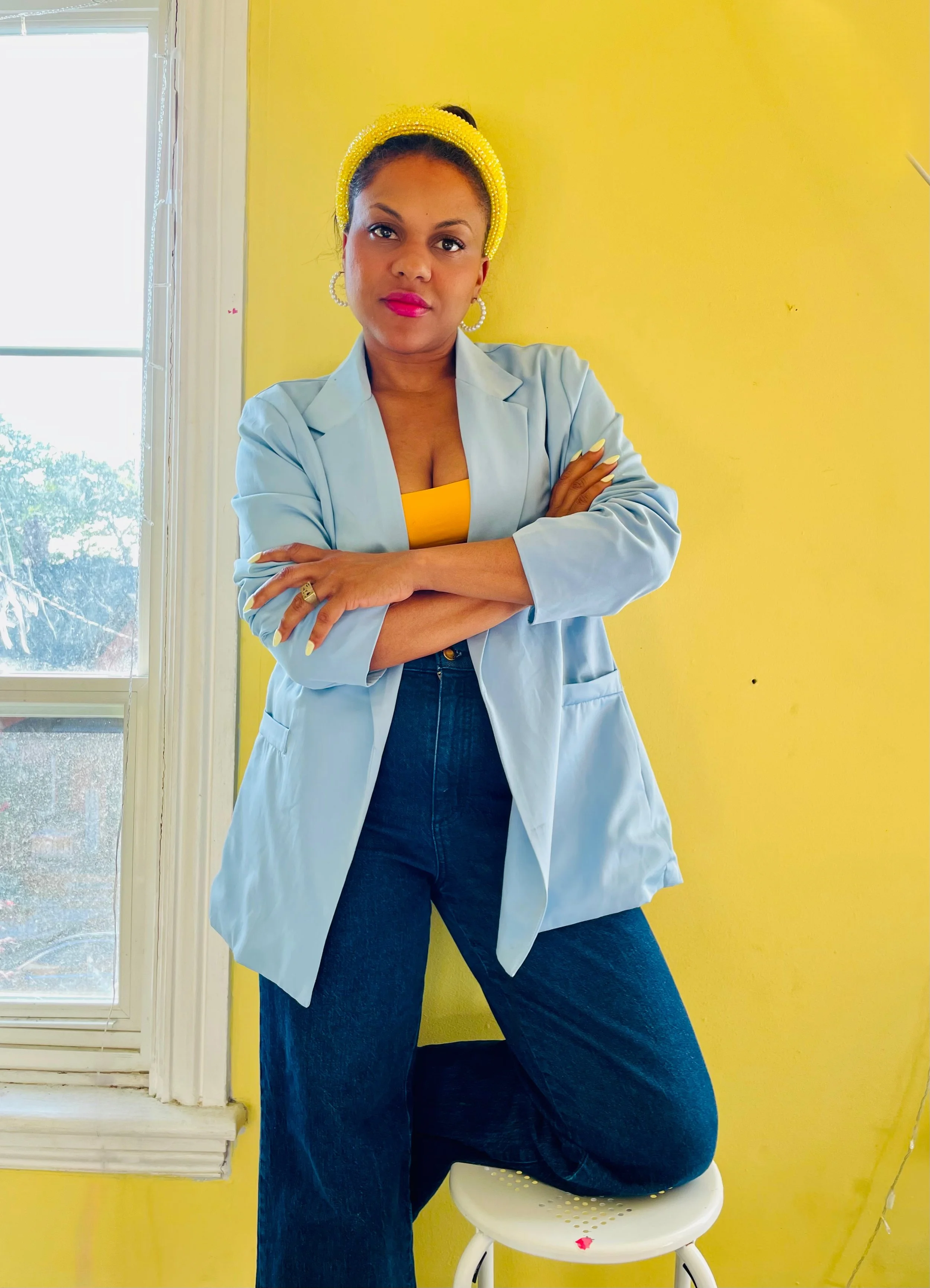
Dominique Clayton is an arts consultant, writer, and gallerist born and raised in Los Angeles. Clayton is the founder of Dominique Gallery, a storefront and pop-up exhibition and online program which showcases and advises emerging artists, marginalized artists and artists raising families. In addition to the gallery, Clayton often serves as a guest curator, most recently organizing the group exhibition Ode to Dena: Black Artistic Legacies of Altadena now on view at the California African American Museum in Los Angeles and the current exhibition Giving You The Best That I Got on view at Art + Practice. Clayton also serves on the curatorial and programming committee of Destination Crenshaw, a forthcoming outdoor art museum and arts program based in the historic Crenshaw community of Los Angeles. Clayton previously worked as Manager of the Founding Director’s office at The Broad and later as an interim director at Jeffrey Deitch Gallery. Her arts management journey started at the Brooklyn Academy of Music where she oversaw a global array of multi-disciplinary talents. Her arts writing has been featured in publications including Cultured Magazine, LALA Magazine, Artsy, Sugarcane Magazine, and her own forthcoming publication.
Selected Work: “The Audacity of Abstraction” Documentary
Who was Barry Charles Johnson? A lifelong Harlem resident and longtime occupant of the historic 270 St. Nicholas Avenue, Johnson created bold, abstract works alongside contemporaries such as Ed Clark, Joe Overstreet, and Jack White. Yet Johnson’s name has been largely absent from surveys of 20th-century American art. In the original documentary commissioned by Long Gallery Harlem and presented in the exhibition Barry Charles Johnson: The Audacity of Abstraction, friends, family, and colleagues reflect on Johnson’s life, artistic practice, and long-overdue recognition.
Part 3 of the 3-part short-documentary will be premiere on December 11 online and in the gallery. Stream parts 1 and 2 and watch curator Dominique Clayton in conversation with director Bilal Hefner below.
Installation Images
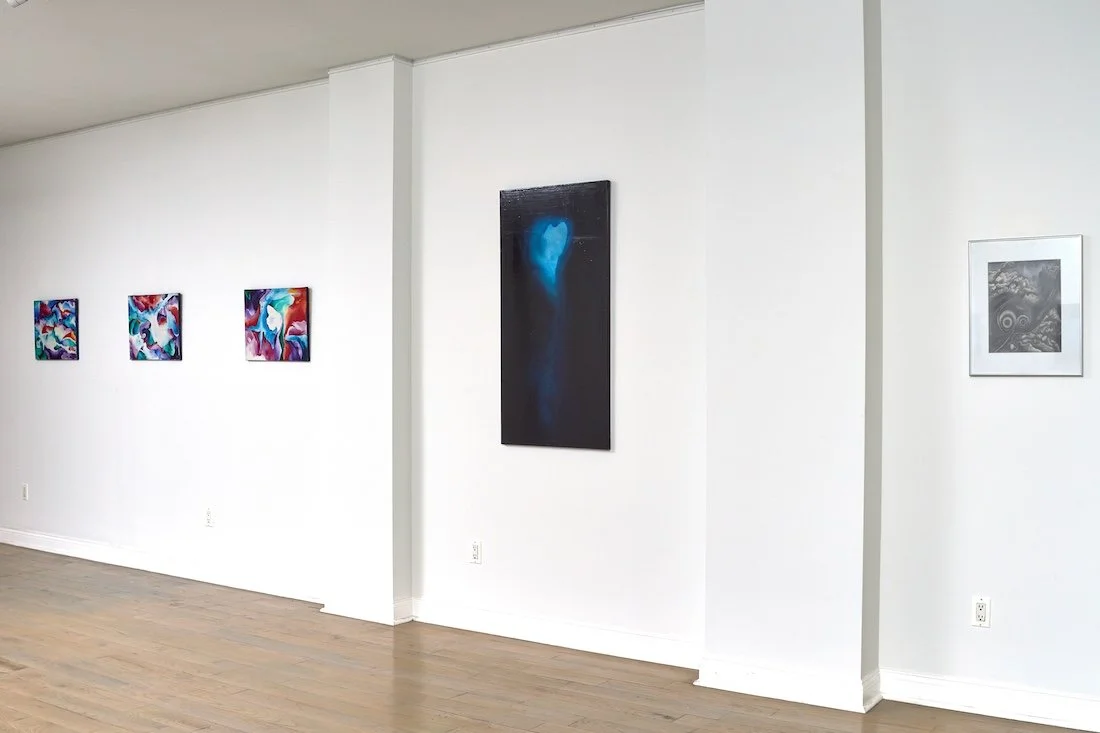

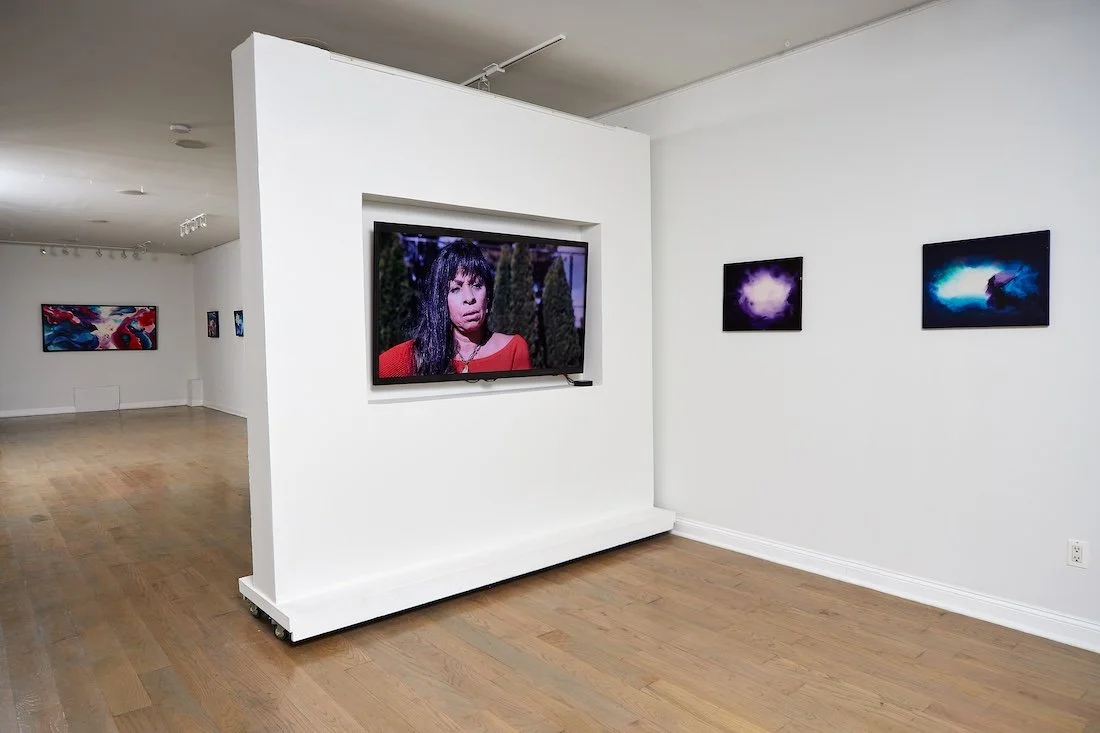
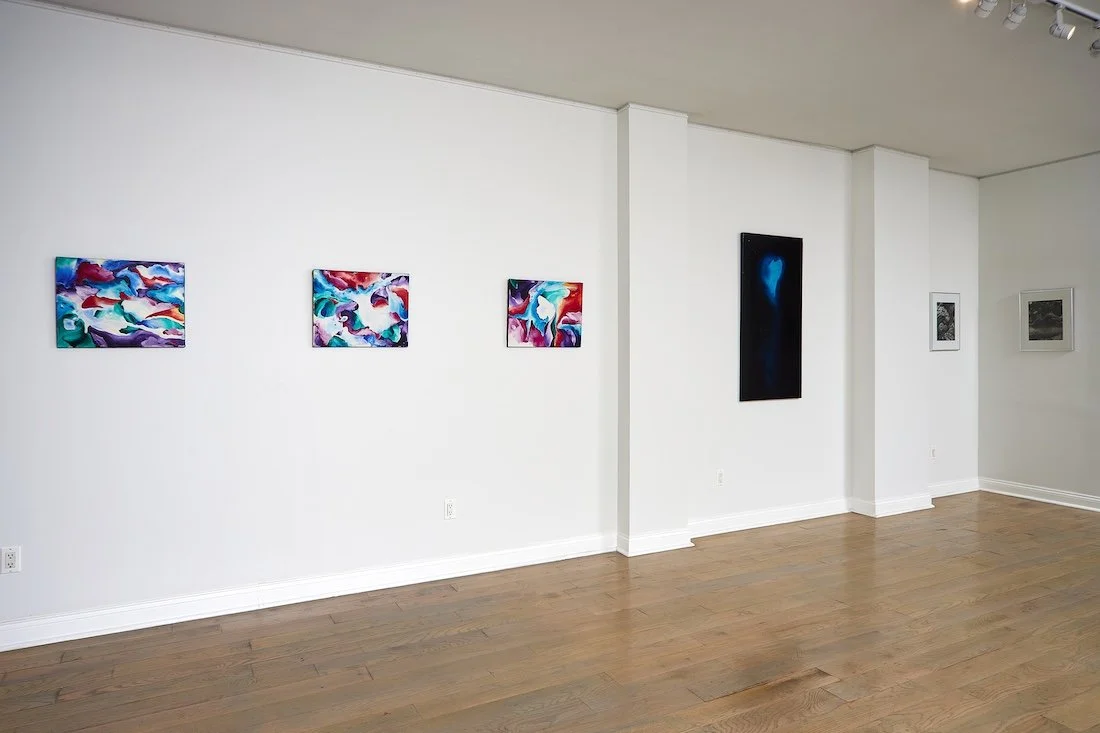

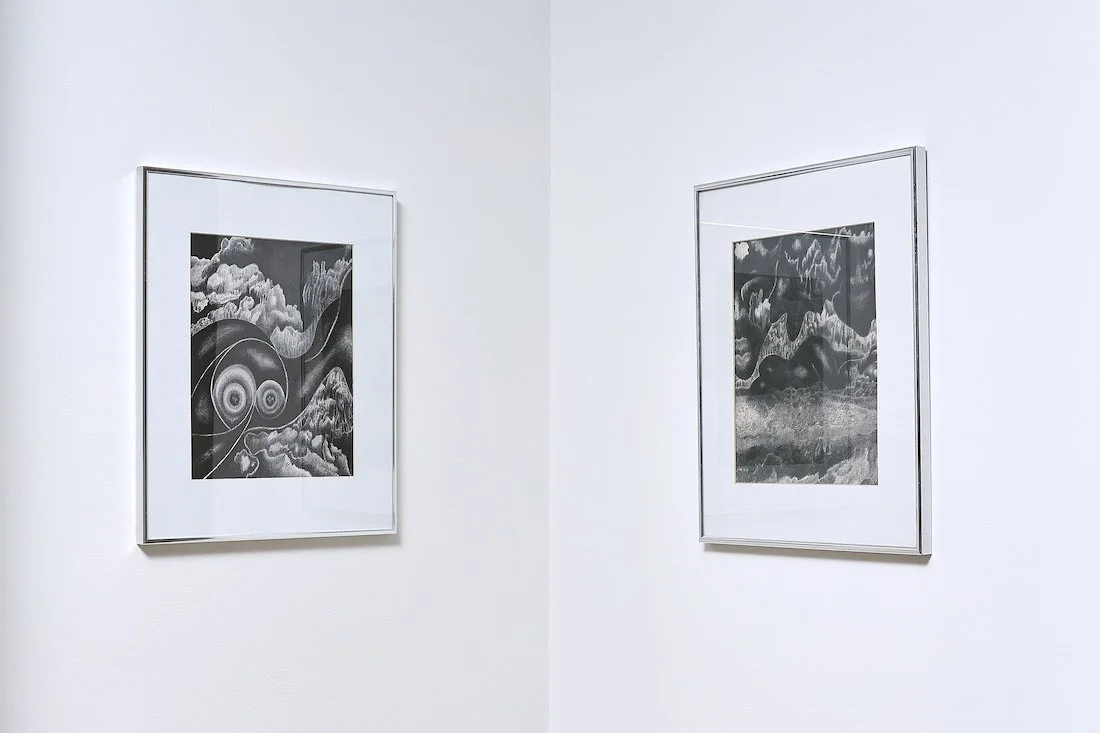
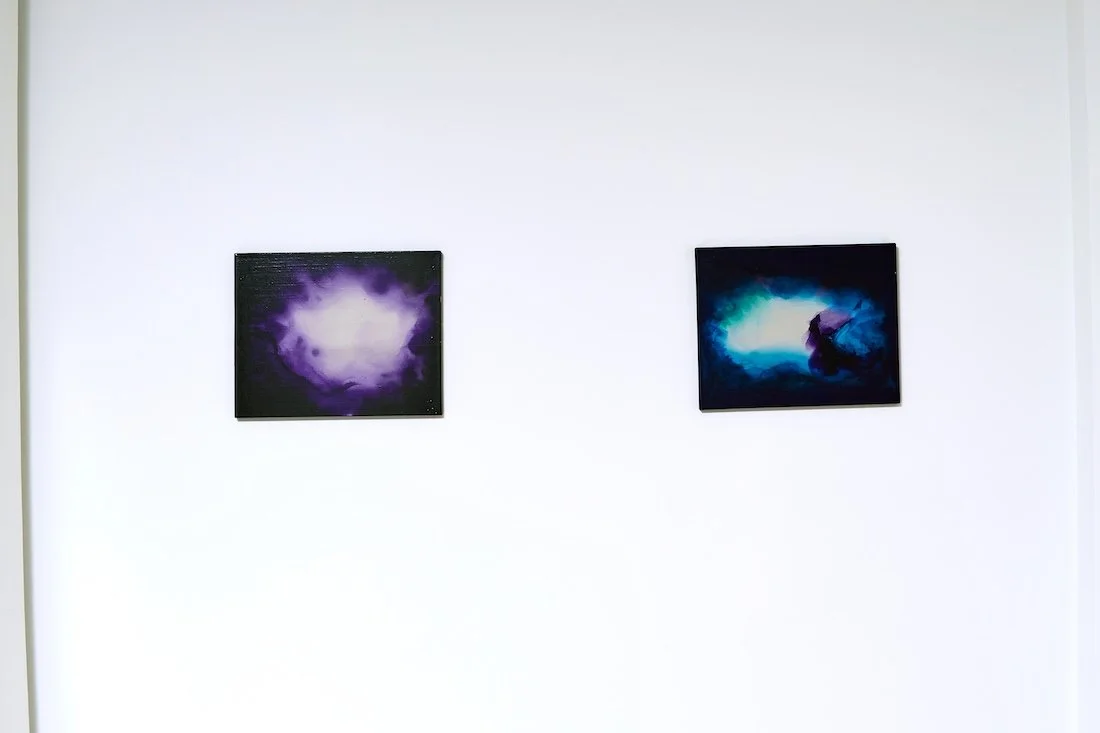
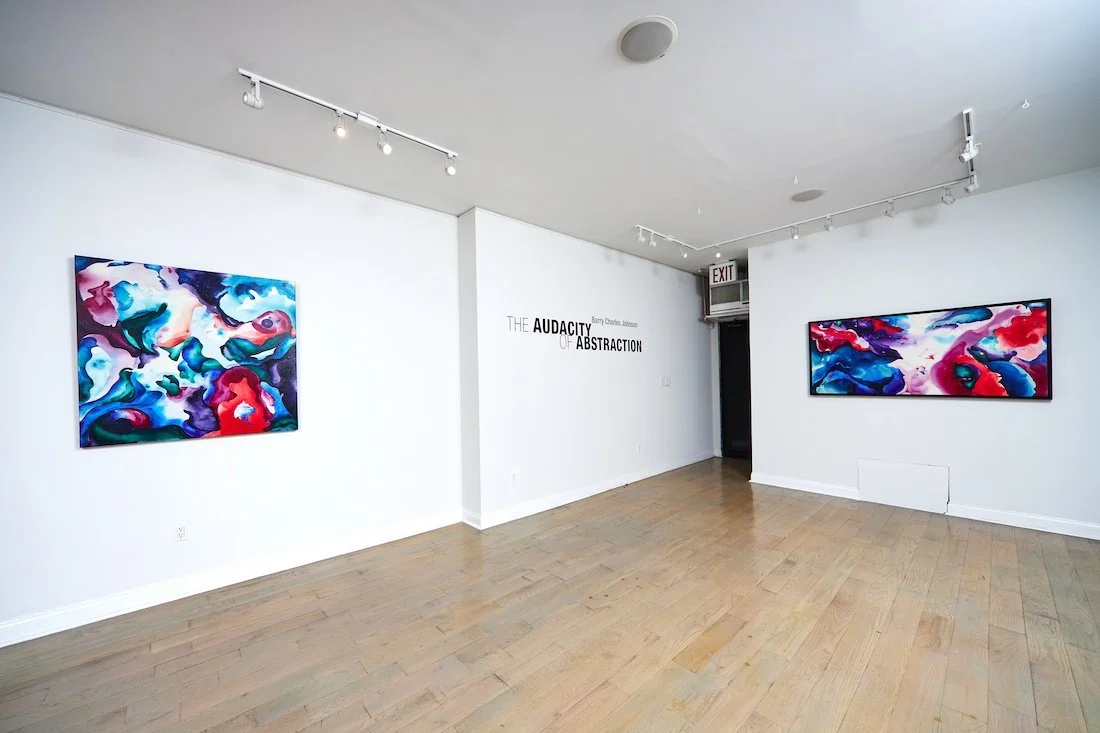
A Tribute to Barry
To commemorate the life and work of Barry Charles Johnson, Long Gallery Harlem has commissioned two original poems by poet John Lee Gaston White for the exhibition The Audacity of Abstraction. These poems are printed below and can be viewed in the exhibition.
Breathe a Little Color
poetry written by John Lee Gaston White
In honor of Barry Charles Johnson
Peer to peer —
he was always a pier above me.
You could tell by the way the sun hit his face —
gold against brown,
light finding a place to rest.
He prayed for fall —
for rain to fall —
so heaven might bless the earth,
the streets whistle the chords of memory.
If you hear it,
And then I hear it.
We — we have it now.
If you see it,
and then I see it,
like clouds — all things distant —
we see them too.
But it’s when I say it —
when we are thinking the same thing
and don’t know it until we say it —
“That cloud is a heart,
that cloud is my mother’s face,
that cloud is a rose,
and that one — pointing far away, pinky fingers folding — that cloud —
is a piece of myself
I have named Harlem.”
Mischief boy,
getting into things,
a spark in his eyes — glimmers on black and violet, light as caramel;
silk canvas of skin, wool texture of hair —
a rhythm in his walk,
sequences here and there —
patterns only he could keep time to.
He knew the heart of a stranger,
the heart of a friend,
the heart of a widow,
the heart of the matter — of matter, as they say.
His feet touched Harlem,
and Harlem touched his feet —
that holy ground of brass and breath,
where laughter and struggle
curl up like smoke at the edged recesses of night.
Turn on jazz.
Enter bebop.
Tap the blues, call it salt grass.
Light a candle in the dark.
Flicker — god make us flicker as a sign of good hope, goodwill.
Flicker — show us, crack with beat,
let that fire sparkle.
Whip and holler —
a symbol of symphony —
saxophone and trumpet,
piano strings like Monk,
blank pages like Art Blakey,
or Bill Evans’ The Paris Concert, Miles in Sketches of Spain — he was in Spain.
In A Temple Garden of Yusef’s, a garland of red, a trio of chambers,
notes hanging in air like prayers,
steeping joyous —
smiling strands of beads.
Fingers possessed —
he went, he went.
He reached, he stroked, he leaped,
he fell, and he leaped again.
He sought and cried aloud —
and laughed, hahaha —
he cried out with laughter,
the kind that shakes the sky open.
Who can live,
is one who can be moved — of
moved to paint in every direction.
Paintbrush, how do I select paint for you?
I am simply the vessel;
you are my tool.
Not painting for freedom,
but painting to be it —
to be it.
Experience cannot define
a life undefined.
Like air —
Air is not seen —
and he,
he is gone.
But we still breathe the same air,
and he was in it —
and as such,
he is still in it.
Breathe a little color.
In — out — in — out.
Breathe.
Through your nose,
out through your mouth.
You should see the red
at the tips of your fingers,
The tingles at the base of tippy toes,
feel the pulse of your heart,
the quiet hum beneath the ribs.
Pushing further – push further –
Sense your neck, you are alive, like a nimble of breath at your earlobe — the whisper.
Breathe a little color.
Come ye and others — one in all.
Abstract a little color.
Breathe —
a little color.
Mixed Especially for You (Harlem Color Study)
(written after viewing the abstracted work of Barry Charles Johnson)
poetry written by John Lee Gaston White
Sublime—walk with me.
From here and there, look up and down, stop and stay awhile.
You are home.
Say color—
We are here because of color: the use of it, the making of it, the shape of it.
Mixed especially for you—you were considered here.
Let red be a taste, blue a sound, gold a temperature.
Morning—gold.
Brownstone ribs warming,
Marcus Garvey Park shaking off dew,
steam blooming from a manhole, saffron and warm.
Cobalt sky over Lenox; pigeons coo in the cornice—
you know they sing.
Noon—chrome.
Color tastes like collards at Sylvia’s,
emerald pot liquor slicking the spoon;
like jerk smoke ribboning up Frederick Douglass,
pepper-sweet on the back of the throat;
like shaved-ice syrup dripping down a child’s wrist—
cherry-bright, tongue stained and laughing.
Say color—
Nag Champa on 125th, oil man calling oils, incense, shea!
Pressing-comb sizzle—a blue note swaying in a kitchen—
barber’s neck powder snowing on a cape.
White cloth of the Holy Ghost on Sabbath,
palm fans stirring lilies and amens.
Abyssinian’s tambourine—tin and sunlight—
the choir jeweled in breath.
Color is rope-slap: slap / slap / skip—
girls double-dutch in a ring of bronze dust.
A bucket drummer frets the afternoon;
the 2 and 3 trains rumble under Lenox Ave. like distant thunder.
Vendors lay a quilt of sunglasses, knockoff leather handbags,
mangoes the color of August shoulders, watermelon tiger stripes colored tan.
Dusk—indigo.
How come all this color?
Because hands kept mixing—
because the brush traveled in suitcases and shoeboxes—
because Congo hums in a djembe head,
Sudan braids a river down a back,
Jamaica smokes the air sweet with pimento,
Trinidad claps flour into roti suns.
Dancing, weaving, abstracting—
to poke and prod like tattoos and henna that mark,
scarified, christening the journey of free lenses,
free paintbrushes, free hands.
Because the Carolinas and the Mississippi
walked themselves north on sore feet,
and the blocks of Marcy shook hands with Powell,
and the city learned a wider tongue.
High-rises cut the light into ribbons; we follow the ribbons like saints and sinners.
St. Nicholas willows blue in the last light,
and gospel leaks from a basement like warm molasses.
The river takes the final orange and keeps it.
Night—neon.
Neon hums OPEN 24 HOURS in a bodega window,
cat curled like a crescent moon on the lotto machine.
Chess clocks crack on Malcolm X Boulevard;
kings fall soft as the lasting smoke buds of ash.
Photographs in suits and sundresses, free lenses—
Paintings of hard hats and Pullman cloth, free paintbrushes, lifted me—
somehow—blocks away to a table for two at her place.
She shows me her aura: lavender, turquoise, pink, crystal.
I know her because I traced her with these free hands,
and she names me artist by my touch.
My hands still remember her name;
my fingertips recall her body’s outline.
Apollo letters flare hot as brass,
taxi roofs flick like fireflies,
mural saints—Harriet, Ella, Josephine, the Black Madonna—
haloed in streetlight and spray paint.
Supreme Mother—salt of the ocean, Sirius stars, woman of the earth—
hold this corner open.
Let the dark become wombs of indigo, not absence.
Let the city keep singing its hundreds of tongues.
Sublime—walk around, see from here and there—
stop, and stay awhile.
It’s Harlem—always in color;
mixed especially for you.
You are home.
© 2025 John Lee Gaston White
All Rights Reserved. No part of this work may be reproduced, distributed, or transmitted in any form or by any means without the prior written permission of the author.
Dates
November 5, 2025 through January 18, 2026
Opening Reception: November 9, 2 – 5 PM
Location
Long Gallery Harlem
2073 Adam Clayton Powell, Jr Blvd.
New York, NY 10027
Artist
Barry Charles Johnson
Curator
Dominique Clayton
Related Programming
LGH Holiday Party
Celebrate the work of Barry Charles Johnson while listening to music from Johnson’s sprawling catalogue of vinyl jazz records.